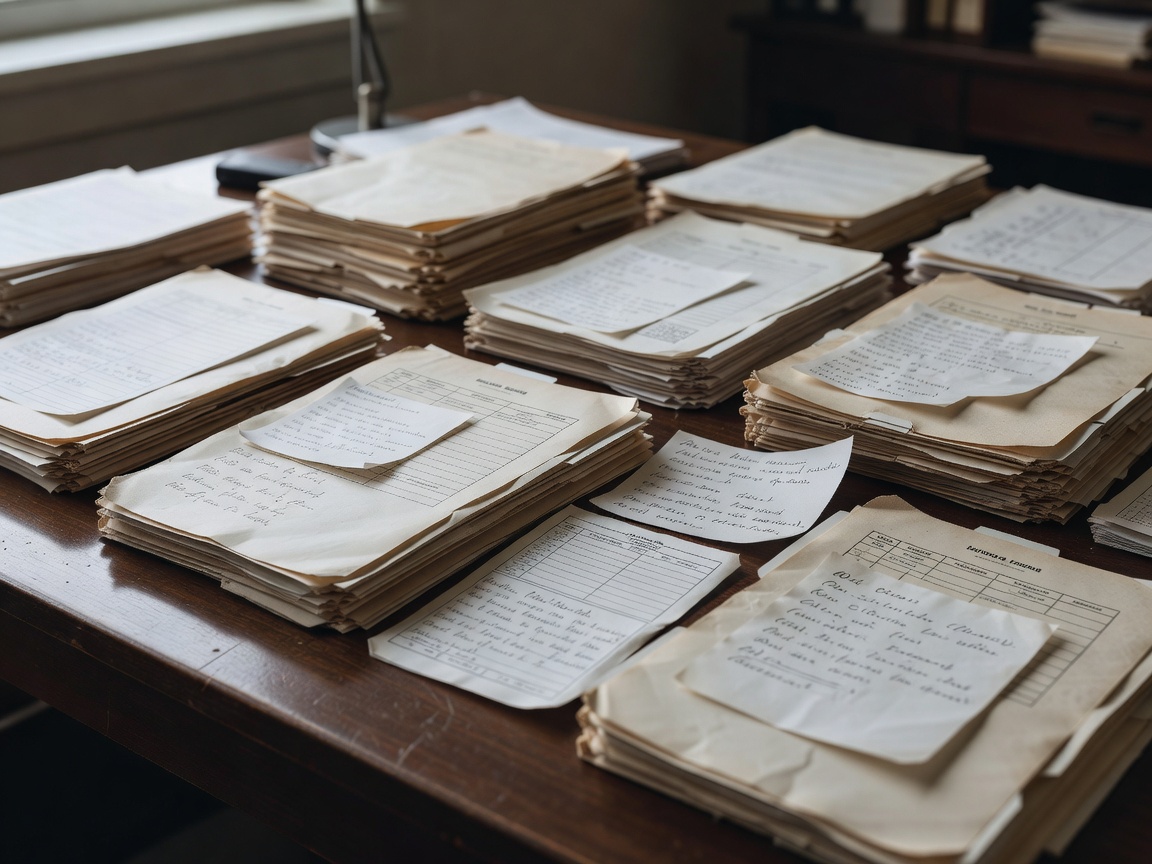
01 / METHOD
Archive Digitization Process
Assessment, preparation, capture planning, processing, metadata, review and delivery in one controlled workflow.
Explore the Process →EUROPEAN ARCHIVE DIGITIZATION STUDIO
Turn physical books, photographs, documents and historical collections into structured digital resources through a careful sequence of assessment, capture, processing, description and preservation planning.
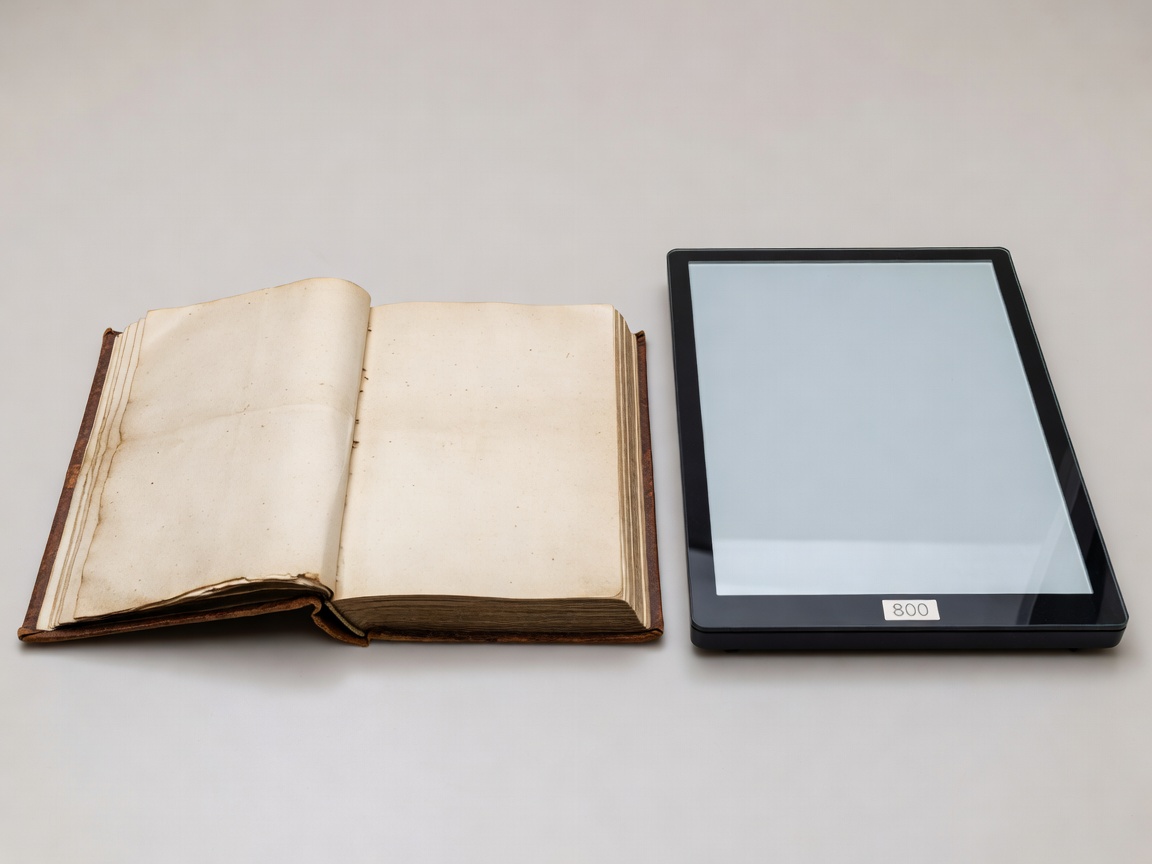
A CONTROLLED WORKFLOW
Digitization is more than making an image. It connects collection condition, capture choices, descriptive metadata, file structures, quality review and preservation decisions. The right sequence protects context while making material easier to discover and use.
FIVE PRACTICAL ENTRY POINTS
01 / METHOD
Assessment, preparation, capture planning, processing, metadata, review and delivery in one controlled workflow.
Explore the Process →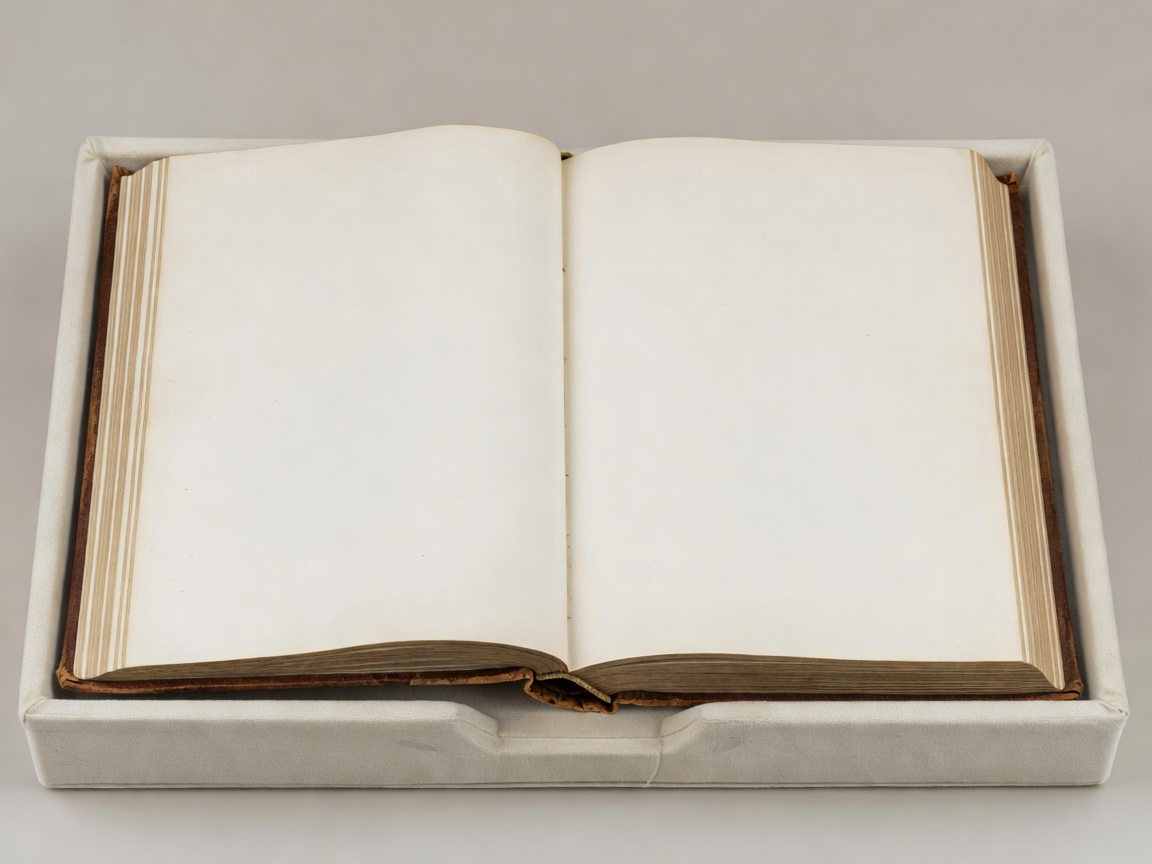
02 / MATERIAL
Practical guidance for bound volumes, handwritten material, fragile pages, sequence control and description.
Explore Book Digitization →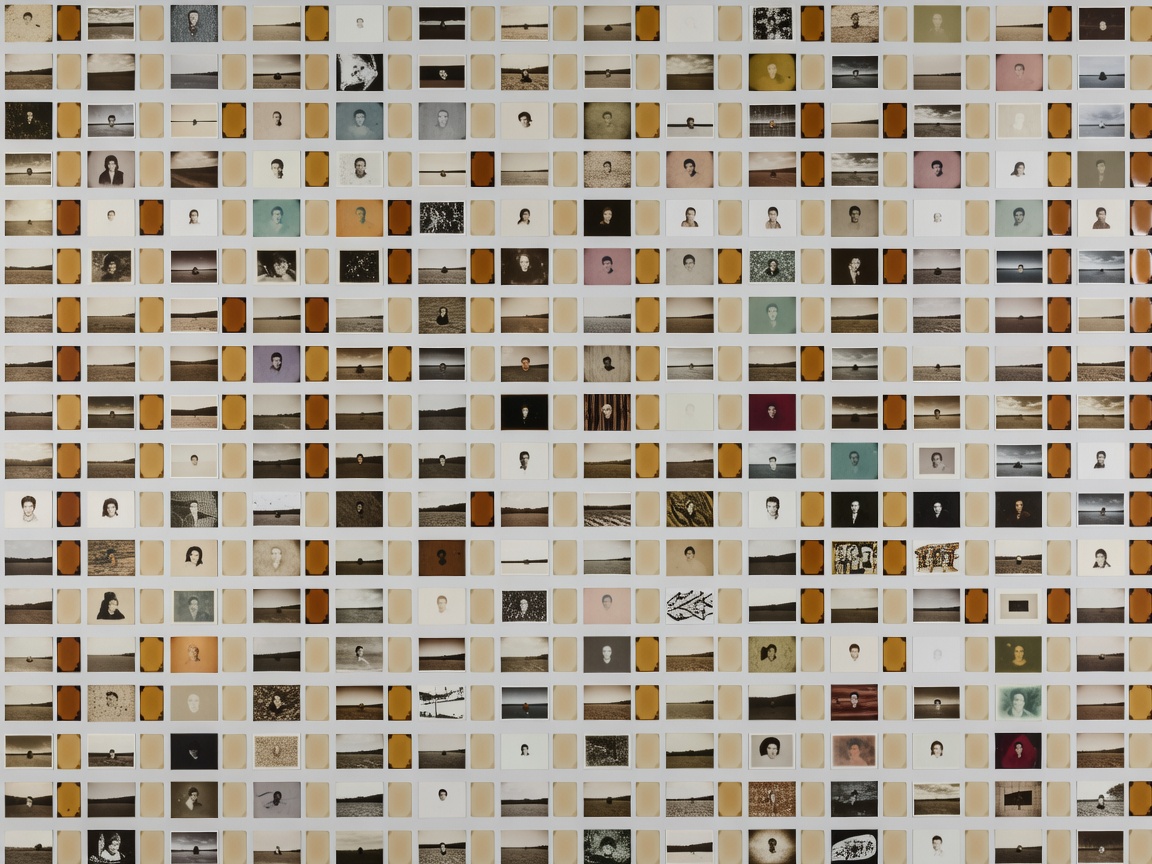
03 / IMAGE
Plan capture for prints, negatives and slides with attention to colour, order, identifiers and metadata.
Explore Image Digitization →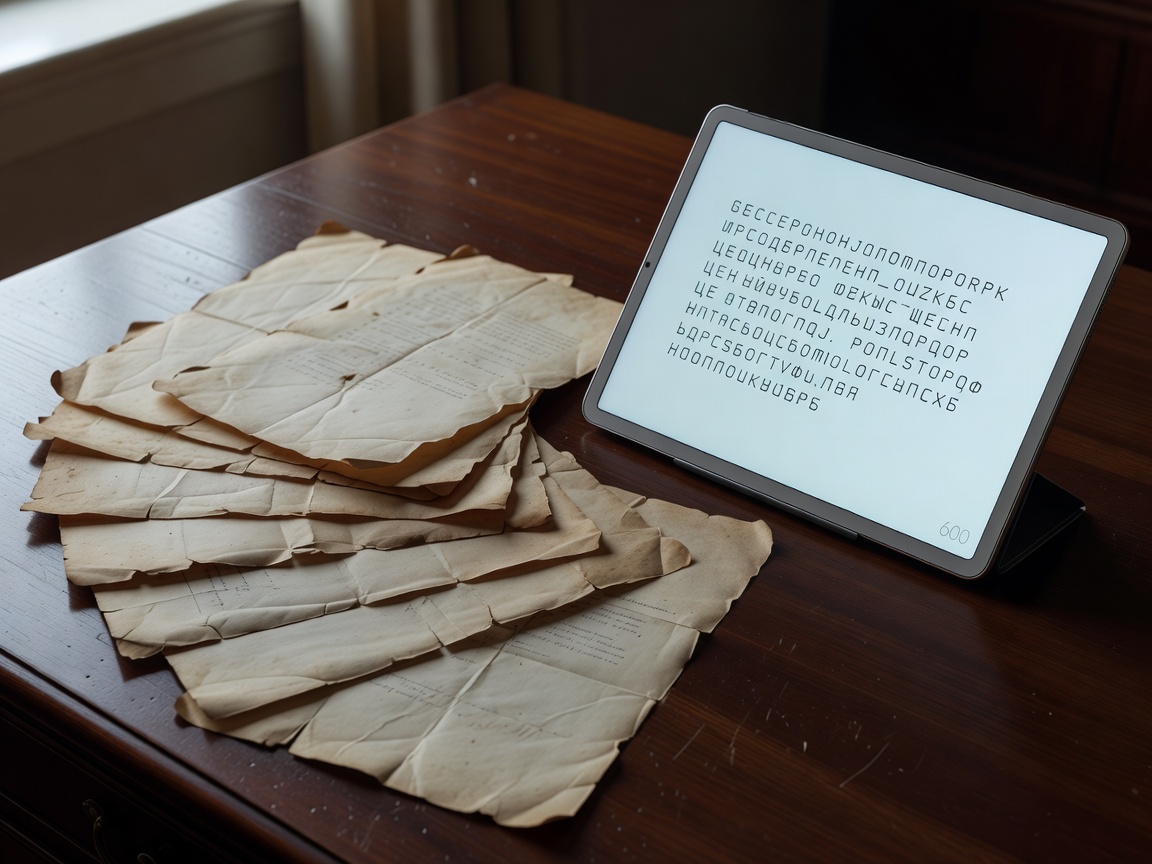
04 / TEXT
Understand searchable text, optical character recognition limits, page preparation and quality control.
Explore Document Capture →
05 / FUTURE
Design naming, metadata, storage, preservation copies, access copies and sustainable management.
Plan a Digital Archive →OPERATING MODEL
Each stage answers a different question. Capture records the object. Processing makes the record consistent. Description gives it meaning. Preservation protects continuity. Access makes the result useful to people.
NEXT RECORD
A useful brief begins with material types, condition, access goals and existing order.