PRESERVATION FIELD GUIDE
Start with a clear information model
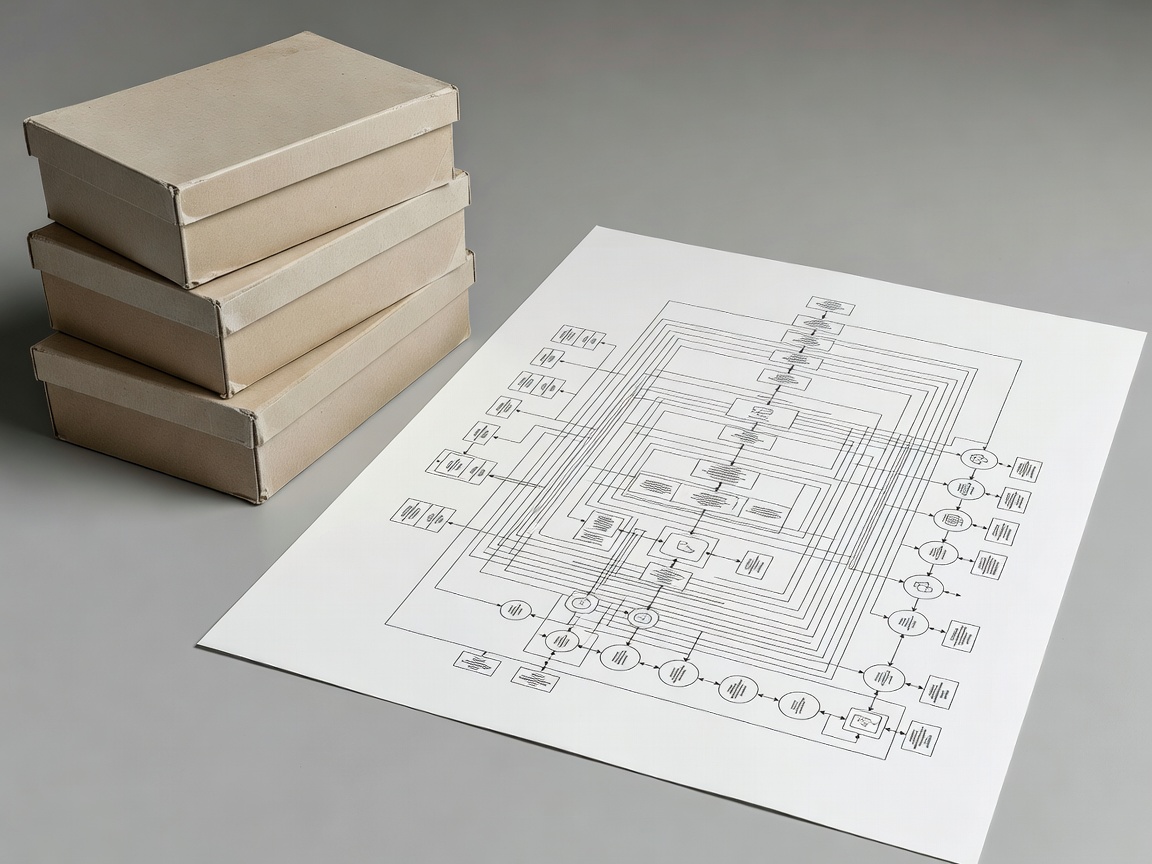
A digital archive should make relationships understandable. Collection, series, item, page, image and derivative may each have a different role. The model does not need to be elaborate, but it should explain how a person can move from a descriptive record to the relevant file and back to its physical source.
Separate preservation masters from access copies. A master is retained as the managed record; an access copy is prepared for practical use. Keeping these roles distinct reduces accidental alteration and makes future migration easier to reason about.
Naming conventions and structure
Names should be predictable, stable and documented. Include only information that remains reliable over time. A filename should not carry every descriptive detail; that belongs in metadata. Avoid ambiguous punctuation, unexplained abbreviations and structures that depend on one person’s memory.
Folder structure can support navigation, but it is not a replacement for a catalogue or metadata table. Use a small written guide that explains identifiers, versions, derivatives, exceptions and restricted material.
Metadata as continuity
Descriptive metadata helps people find and understand content. Administrative metadata records decisions, rights, source relationships and processing status. Preservation metadata may describe file format, validation, fixity or migration history. The appropriate level depends on the archive’s responsibilities and resources.
Use controlled terms where consistency matters, but allow an explanation for uncertainty. A blank field and an unknown fact are not always the same. Avoid inventing dates, creators or subjects to make a record appear complete.
Storage and backup planning
Storage planning asks who controls the files, how access is managed, how copies are separated and what happens when a device or service changes. A backup is useful only when it is monitored, recoverable and understood. Document ownership, permissions, restoration responsibility and review intervals.
Long-term preservation is not guaranteed by placing files in one location or by selecting one format without future attention. File formats, software, storage services and institutional responsibilities can change. A practical plan identifies triggers for review rather than promising permanence.
Access copies and delivery
Access copies can be resized, compressed or converted to support a website, reading interface or download package. They should remain connected to the source identifier and should not obscure whether they are the preservation record. Rights, privacy and cultural restrictions may affect what can be exposed publicly.
Planning checklist
- Define collection, series, item and file relationships.
- Document naming, folders, versions and exceptions.
- Separate preservation masters, access copies and working files.
- Assign storage, backup, access and review responsibilities.
- Record rights, restrictions, integrity checks and future triggers.
Good for
This framework suits organizations, families, researchers and project teams that need their digital records to remain interpretable after the original capture work is complete.
What to know
Digital preservation is a continuing management activity, not a single export. No storage arrangement removes the need for review, documentation and responsible custody.