IMAGE FIELD GUIDE
Separate the photographic formats
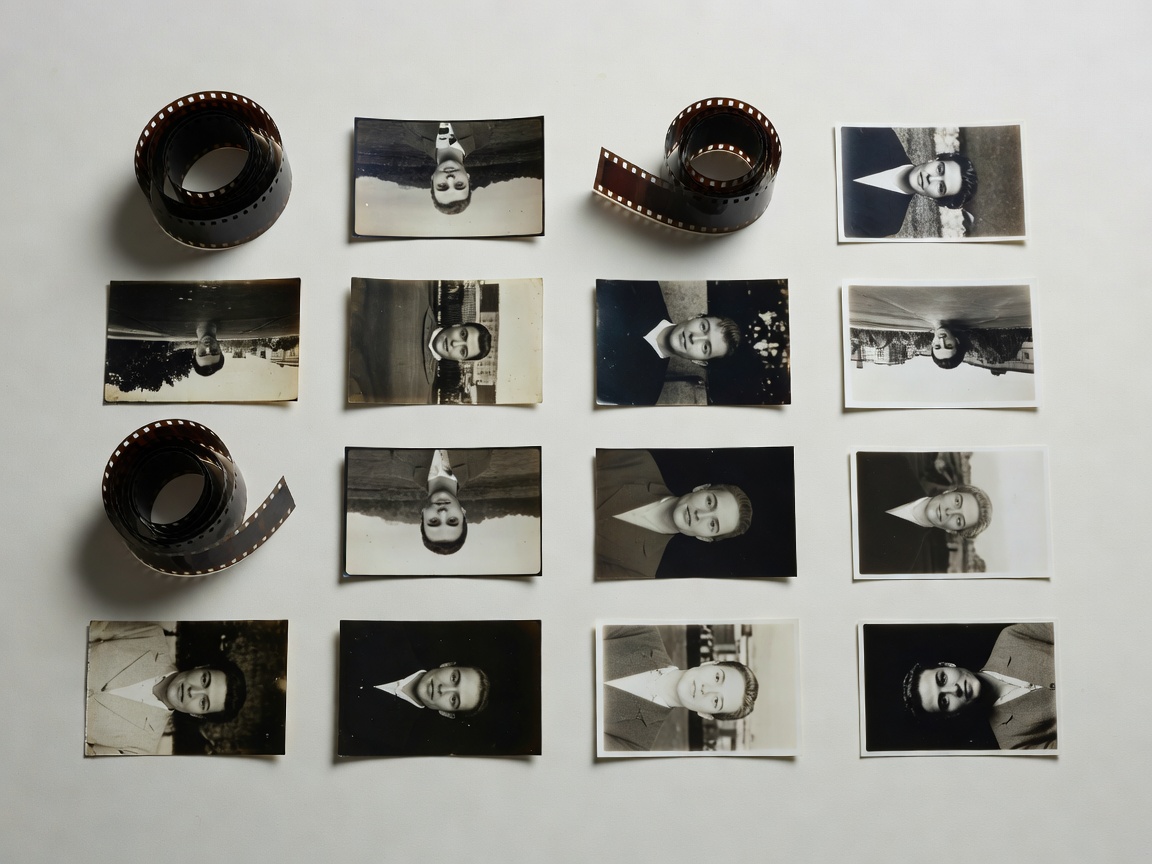
Prints, negatives and slides should not automatically share one capture specification. A print is already an interpretation of a scene; a negative or slide is a photographic original with its own tonal range and colour characteristics. The intended use, physical condition and available reference information should guide the plan.
Mixed collections may also contain envelopes, captions, albums, contact sheets or duplicate frames. These surrounding materials can explain identity and sequence. Treating them as irrelevant can remove useful provenance.
Order and identifiers
Photographic collections often arrive in an inherited order. It may be chronological, thematic, personal or simply the order of a drawer. Record that order before creating a new browsing structure. A stable identifier can connect the physical item, its digital file and its descriptive record.
When an image has front and reverse information, the reverse may need its own capture or a documented relationship. Captions, stamps and handwritten notes are part of the record when they support interpretation.
Capture and colour management
Colour management is the controlled relationship between the source, capture system, display and output. It helps reduce arbitrary shifts, but it does not make every historic colour objectively recoverable. Fading, emulsion changes and original processing all influence what can be represented.
Review should consider shadow detail, highlights, focus, dust or surface marks, crop boundaries and orientation. Correction may be appropriate for access, while the preservation record should remain as faithful and well documented as possible.
File organization
Use a predictable naming structure that distinguishes collection, series, item and side or frame where necessary. Avoid relying on filenames alone for meaning. A table of identifiers, titles, dates, subjects and rights notes makes the collection more portable.
Access derivatives may be prepared for browsing or publication, while a preservation master remains protected from casual alteration. Keep the relationship between versions explicit.
Descriptive metadata
Metadata can record subject, place, people where known, date, photographer where known, format, rights information and source identifier. Unknown information should be marked as unknown rather than guessed. A controlled vocabulary can improve consistency, but it should remain understandable to the people maintaining it.
Planning checklist
- Separate prints, negatives, slides and supporting papers.
- Record original order and physical identifiers.
- Decide how colour, tone, crop and reverse information will be treated.
- Define preservation masters and access derivatives.
- Agree metadata fields, rights notes and exception handling.
Good for
This guidance suits family photographs, press images, studio archives, slide collections, album pages and mixed visual records requiring dependable discovery.
What to know
Photographic surfaces can be vulnerable to damage and contamination. Avoid amateur cleaning or treatment of valuable or unstable items. An appropriate assessment and suitable handling environment should precede capture decisions.